


Sleep Disorders Overview
Sleep problems, including snoring, sleep apnea, insomnia, sleep deprivation, and restless legs syndrome, are common. Fantastic sleep is necessary for optimal health and may affect hormone levels, weight and mood.
Good Sleep Habits
Getting a fantastic night’s sleep is vital to performing at your best throughout the day. Discover ways to acquire the amount of rest you need.
1. Are You Getting Enough Sleep? The total quantity of sleep a person needs depends on a number of factors, such as age.
2. Stages of SleepSleep phases are broken up into non-rapid eye motion (non-REM) and rapid eye movement (REM).
3. Facts About DreamingDreams can be amusing, disturbing, or downright eccentric. We all dream — even if we don’t recall it the following moment. However, why do we dream? And exactly what do dreams mean, anyhow?
4. Do You Get Good Sleep? This interactive assessment will help you assess your sleep habits and sleep quality, and supply strategies for improving your night’s rest.
5. Keeping a Sleep DiaryLearn about your sleep patterns and habits by maintaining a daily sleep diary. It might be key to assisting you and your healthcare provider diagnose and treat a sleep disorder.
6. Sleep Tracker simple way to keep track of your sleep habits and identify patterns.
Are You Getting Enough Sleep?
· Sleep Debt
· Consequences of Too Little Sleep
· Dangers of Sleep Deprivation
The quantity of sleep a person needs depends on many factors, including age. Generally speaking:
- Infants need about 12-15 hours each day
- Toddlers need about 11-14 hours a day.
- Pre-school kids require 10-13 hours every day.
- School-age kids require 9-11 hours a day.
- Teenagers need about 8.5-9.5 hours normally.
- Most adults need 7 to 9 hours every night for the best quantity of sleep, though some individuals may need as much as 6 hours or as many as 10 hours of sleep each day.
- Women in the first 3 months of pregnancy often require several more hours of sleep than usual.
However, experts say that if you feel drowsy during the day, even during boring activities, you have not had enough sleep.
Sleep Debt
The amount of sleep a person needs also increases if he or she has been deprived of sleep in previous days. Getting too little sleep creates a”sleep debt,” that is much like being overdrawn at a bank. Eventually, your body will demand that the debt be repaid.
We do not appear to adapt to getting less sleep than we need. While we might get used to a sleep-depriving schedule, our judgment, reaction time, and other functions are still impaired.
Consequences of Too Little Sleep
Too little sleep can cause:
- Memory problems
- Depression
- A weakening of your immune system, increasing your chance of becoming sick
- Increase in perception of pain
What Exactly Are REM and Non-REM Sleep?
IN THIS ARTICLE
- · What Happens During Non-REM Sleep?
- · What Is REM Sleep?
A lot happens in your body while you sleep. When you receive your ZZZs, you cycle between REM and non-REM sleep.
REM stands for quick eye movement. During REM sleep, your own eyes move quickly in different directions. That doesn’t occur during non-REM sleep.
First comes non-REM sleep, followed by a shorter period of REM sleep, and the cycle starts over again. Dreams typically happen during REM sleep.
What Happens During Non-REM Sleep?
There are 3 stages of non-REM sleep. Each stage can last from 5 to 15 minutes. You go through all three stages before reaching REM sleep.
- Phase 1: Your eyes are shut, but it’s easy to wake up you. This stage may last for 5 to 10 minutes.
- Phase 2: You are in sleep. Your heart rate slows and your body temperature drops. Your body is getting ready for deep sleep.
- Stages 3: This is the deep sleep stage. It’s more difficult to rouse you during this phase, and when somebody woke you up, you’d feel disoriented for a couple of minutes.
During the heavy stages of NREM sleep, the body fixes and regrows tissues, builds bone and muscle, and strengthens the immune system.
As you become old, you sleep lightly and get less deep sleep. Ageing is also connected to shorter time periods of sleep, though studies show you still want as much sleep because if you were younger.
What’s REM Sleep?
Normally, REM sleep occurs 90 minutes after you fall asleep. The first phase of REM normally lasts 10 minutes. Each of your later REM stages gets more, and the final one can last up to one hour. Your heart rate and breathing accelerate.
You can have extreme dreams during REM sleep since your mind is more active.
Babies can spend up to 50% of the sleep at the REM stage, compared to only about 20 per cent for adults.
Truth About Dreaming
- · What Are Dreams?
- · Why Do We Dream?
- · What Do Dreams Mean?
- · Why Do Nightmares Occur?
- · Which Are Lucid Dreams?
- · Can Dreams Predict the Future?
- · Why Are Dreams Difficult to Remember?
- · Tips for Dream Recall
- · How to Make Sense of Your Dreams
Dreams could be amusing, disturbing, or downright eccentric. All of us dream — even if we don’t remember it the following day. However, why do we dream? And exactly what do dreams mean, anyway?
We take a look at exactly what makes us dream and helps unravel the mysteries behind dreams.
What Are Dreams?
Dreams are essentially images and stories our thoughts creates while we sleep. Dreams can be vibrant. They can make you feel happy, sad, or scared. And they may seem confusing or perfectly rational.
Dreams can occur anytime through sleep. But most vivid dreams occur during profound, REM (rapid eye movement) sleep, once the mind is most active. Some specialists say we dream at least four to six times daily.
Why Do We Dream?
There are numerous theories about why we dream, but nobody knows for sure. Some investigators state dreams have no purpose or meaning and are nonsensical activities of the sleeping mind. Other people say dreams are essential for psychological, psychological, and physical wellbeing.
Various studies have proven the significance of dreams to our own health and well-being. In 1 study, researchers awakened subjects just as they had been drifting off to REM sleep. They found that those who were not allowed to dream experienced:
- Increased tension
- Anxiety
- Depression
- Difficulty concentrating
- Lack of coordination
- Weight benefit
- Tendency to hallucinate
Many specialists say that dreams exist :
- Help solve problems within our own lives
- Contain memories
- Procedure emotions
- If you go to bed with a troubling thought, you might wake with a remedy, or at least feel better about the situation.
Sigmund Freud believed dreams are a window into our subconscious. He believed they reveal an Individual’s:
- Unconscious Desires
- Ideas
- Motivations

Freud thought dreams were a means for people to satisfy urges and desires which were unacceptable to society.
Maybe there’s merit with these theories. Some dreams may help our minds process our thoughts and the events of the day. Others may just be caused by regular brain action and imply very little if anything. Researchers are still trying to figure out exactly why we dream.
Maintaining a Sleep Diary
Learn about your sleep patterns and habits by maintaining a daily sleep-diary. It might be crucial to helping you and your health care provider diagnose and treat a sleep disorder. Make up a chart with distances for:
- The moment you went to bed and awakened.
- How long and long you slept.
- When you’re awake through the night.
- Just how much caffeine or alcohol you consumed and if.
- What/when you ate and drank.
- What emotion or anxiety you have.
- What medications or medications you chose.
- Exercise you had throughout the day and what time.
REM SLEEP BEHAVIOR DISORDER
For many people, dreaming is a”psychological” action: dreams occur in the mind while the body is at rest. But individuals who suffer from REM sleep behaviour disorder (RBD) act out their dreams. They move limbs or perhaps get up and engage in actions connected with waking. Some participate in sleep talking, yelling, yelling, hitting or punching. Some even fly out of bed when sleeping! RBD is usually noticed as it causes the threat to the sleeping individual, their bed partner, or the others they encounter. Occasionally ill effects like an injury to bed spouse lasted while asleep trigger a diagnosis of RBD. The good thing is that RBD can usually be treated successfully.
What we call”sleep” involves transitions between three different states: wakefulness, rapid eye movement (REM) sleep, which is associated with dreaming, and non-rapid eye movement (N-REM) sleep. There are a variety of features that define each condition, but to know REM sleep behaviour disorder it is important to know that it happens during REM sleep. In this condition, the electric activity of the mind, as recorded by an electroencephalogram, seems like the electrical activity that occurs during waking. Although neurons in the brain during REM sleep are working much as they perform throughout waking, REM sleep can be characterized by temporary muscle fatigue.
In some sleep disorders like narcolepsy and parasomnias, such as REM sleep behaviour disorder, the distinctions between these different countries break down; characteristics of one condition carry over or”invade” others. Sleep researchers think that neurological”barriers” that separate the countries don’t function correctly, though the cause of such occurrences is not entirely understood.
What’s Delayed Sleep Phase Disorder?
With Delayed Sleep Phase disorder (DSPD), the individual’s preferred sleep period is delayed three to six hours, compared to conventional times. DSPD is characterized by an inability to fall asleep in a desired, conventional clock time and awaken at a socially acceptable morning time. An alternative name for the disorder is”circadian rhythm sleep disorder, delayed sleep phase type.”
When allowed to select their preferred sleep schedule, patients with DSPD exhibit sleep of normal caliber and duration for their age and maintain a stable (but delayed) connection of entrainment to the 24-hour, sleep-wake pattern.1 2 3
References
1. Reid KJ and Zee PC. “Circadian ailments of the sleep-wake cycle,” in Kryger M, Roth T, Dement W (erectile dysfunction ) , Principles and Practice of Sleep Medicine (5th Edition), St. Louis: Elsevier Saunders, 2011, pages 470-482.
2. Weitzman ED, Czeisler CA, Coleman RM, et al.. Delayed sleep phase syndrome: a chronobiological disease with sleep start insomnia. Arch Gen Psychiatry. 1981;38:737-746.
3. Pelayo RP, Thorpy M, Glovinsky P. Prevalence of delayed sleep phase syndrome among teens. J Sleep Res. 1988;17:392.
4. Reid KJ and Zee PC. “Circadian ailments of the sleep-wake cycle,” in Kryger M, Roth T, Dement W (ed.) , Principles and
Insomnias
This type of sleep disorder involves the inability to fall asleep or stay asleep. You will find a variety of sleep disorders which can be classified as a kind of sleeplessness. This sort of sleep disorder requires the inability to fall asleep or remain asleep.
Insomnia
Even the most common sleep complaint takes place when you have difficulty falling asleep, remaining asleep or don’t feel refreshed in the morning. Daytime fatigue along with other effects of insomnia can affect nearly every part of your daily life.
Short Sleeper
A small fraction of adults have been short sleepers. They feel awake and refreshed after sleeping less than 6 hours per night. Short sleepers work well during the day and do not have to attempt to”catch up” on sleep.
Child Insomnia
Many kids have difficulty falling asleep or remaining asleep throughout the night. Other kids don’t get the sleep that they want because they refuse to go to bed, stall or make it hard for parents to leave the bedside.
Hypersomnias
Hypersomnias are a set of sleep disorders that cause a person to be too sleepy. People who have a hypersomnia may fall asleep at times that are inconvenient or dangerous, such as at work or while driving.
Hypersomnias are a set of sleep disorders that cause a person to be excessively sleepy. People with a hypersomnia can fall asleep at times that are inconvenient or dangerous, like at work or while driving. They may also possess other sleep-related issues, a lack of energy and trouble thinking clearly. Narcolepsy is the most Well-known hypersomnia, but there are far more disorders that fall under this classification:
NarcolepsyThis lifelong sleeping disorder makes you feel overwhelmingly tired, with the capacity for abrupt uncontrollable sleep attacks. Narcolepsy can affect just about any aspect of your life.
Idiopathic Hypersomnia
This sleep disorder involves daily intervals of an irrepressible need to sleep. Total sleep period of 12 to 14 hours is typical in a 24-hour period. The cause of idiopathic hypersomnia is unknown.
Kleine-Levin Syndrome
This sleep disorder involves recurrent episodes of excessive sleepiness and sleep length. Each incident persists for 2 days to five weeks. These episodes have a tendency to recur more than once a year.
Insufficient Sleep Syndrome
Insufficient sleep syndrome occurs when you regularly don’t get enough sleep at night. The result is sleep deprivation. This prevents you from feeling stressed and rested throughout the day
Extended Sleeper
Long sleepers frequently sleep much more than other members of the age classes. Their sleep is normal and of good quality, but on account of the needs of work or school, long sleepers might not get the quantity of sleep that they require.
Sleep-Related Breathing Disorders
Sleep disorders that involve difficulty breathing during sleep are categorized as sleep-related breathing disorders. Obstructive sleep apnea is the most common disorder of this type, but there are a variety of variations of sleep apnea.
Sleep disorders that involve difficulty breathing during sleep are categorized as sleep-related breathing disorders. Sleep-related apnea is the most frequent disorder of the sort, however there are a number of variations of sleep apnea.
Obstructive Sleep Apnea
Untreated obstructive sleep apnea makes you stop breathing during sleep due to obstructions in the airway. Individuals with this serious and common sleep disorder frequently snore loudly or make choking noises as they attempt to breathe
Snoring
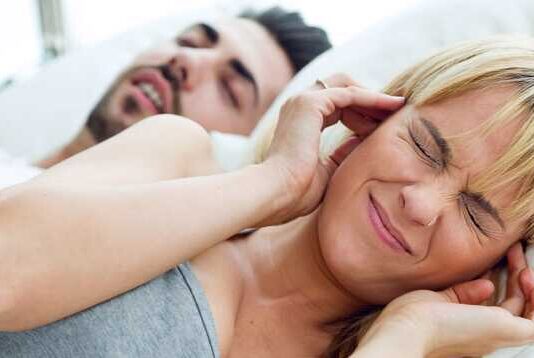
This loud noise occurs as you sleep if the stream of air from breathing makes the tissues in the back of your throat vibrate. Snoring can be quite a nuisance for the partner or anyone near.
Central Sleep Apnea
Central sleep apnea causes your body to reduce or stop breathing during sleep in an off-and-on cycle. Central sleep apnea is caused by a problem in the brain or heart, instead of a blockage of the airway.
Child Sleep Apnea
About two per cent of young children suffer from obstructive sleep apnea which requires therapy, which can be most common in preschoolers when the tonsils and adenoids are large in comparison with the throat.
Baby Sleep Apnea
Sleep apnea in infants may be due to a developmental problem that results from immature brainstem or it could be due to another medical condition. Breathing problems from sleep apnea can cause serious complications for infants.
Sleep Related Groaning
Sleep related groaning, also referred to as catathrenia, occurs when you make a prolonged sound that looks groaning as you exhale during sleep. It’s fairly rare and more prevalent in men. Sleep related groaning is most bothersome for your bed partner.
Circadian Rhythm Sleep-Wake Disorders
Requirements in which the sleep times are out of alignment. A patient with one of these disorders does not follow the normal sleep times at nighttime.
This category of disorders includes conditions where the sleep times are out of alignment. A patient with these disorders doesn’t comply with the normal sleep intervals through the nighttime.
Delayed Sleep-Wake Phase
This circadian rhythm disorder is a sleeping routine that is delayed by two or more hours to ensure that a person goes to sleep later at night and sleeps afterwards in the daytime.
Advanced Sleep-Wake Stage
This celiac disease causes people to fall asleep a few hours before a standard bedtime and wake up hours sooner than many men and women wake in the morning.
Irregular Sleep-Wake Rhythm
This illness causes a individual’s circadian rhythms to be so cluttered that there is not any obvious sleep or wake pattern. Individuals with this sleep disorder may burn and on in a series of naps within a 24-hour period.
Non-24-Hour Sleep-Wake Rhythm
Non-24 is a sleeping disorder that causes a individual’s sleep time to shift a little later every day. Sleep times can proceed in and out of alignment with other people with Time
Shift Function
A non-traditional work schedule involving changes that occur when many individuals are sleep may lead to shift work disease. The condition causes your sleep to be consistent and poor feelings of fatigue or fatigue.
Jet Lag
Jet lag occurs when you travel across multiple time zones and also have difficulty adjusting to the new schedule.
Parasomnias
Parasomnias are a group of sleep disorders that involve undesirable events or experiences that happen while you are falling asleep, waking or waking up.
Parasomnias are a group of sleep disorders that involve undesirable events or experiences that happen as you’re falling asleep, waking or waking up. Parasomnias may consist of strange movements, behaviors, emotions, perceptions or dreams. Although the behaviours might be complicated and appear purposeful to others, you stay asleep during the event and often don’t have any memory which it occurred. In case you’ve got a parasomnia, then you may find it hard to sleep during the night.
Confusional Arousals
This parasomnia makes you act in a really strange and confused way as you awaken or just after waking. It could seem that you don’t know where you are or what you are doing.
Sleepwalking
Sleepwalking entails getting up from bed and walking around when you are asleep in another room or outside your home and not recall how you got there.
Sleep Terrors
Sleep terrors (or night terrors) cause you to awaken in intense fear with barely any memory, if any, of a frightening dream. These episodes might let you wake up with the appearance of intense anxiety, kicking, thrashing and your heart racing.
Sleep Eating Disorder
These episodes happen when you quickly binge eat while you are only partially awake. You might just have a slight memory or no memory of the binge, and the food may be highly caloric or in odd combinations.
REM Sleep Behavior Disorder
This possibly dangerous sleep disorder causes you to act out brilliant dreams as you sleep. You will kick, punch or flail in reaction to your fantasy and events make worse over time.
Sleep Paralysis
Sleep paralysis causes you to be not able to move your body when you are falling asleep or when you’re waking up. These episodes typically last minutes or seconds.
Nightmares
Frequent nightmares that prevent you from getting a good night’s sleep have been considered a sleeping disorder. People with nightmare disease may dread going to sleep or have trouble falling back asleep due to intense nightmares.
Bedwetting
Bedwetting can happen as a primary or secondary condition in both adults and kids. Primary bedwetting results in a failure to wake up when the bladder is full. Secondary bedwetting occurs in children who face strong psychological or social stress or because a indication of another medical problem such as diabetes or a urinary tract disease.
Sleep Hallucinations
Sleep associated hallucinations are imagined events that appear very real. They are usually visual but might also involve your senses of sound, touch, taste and little. You might not be sure if you are awake or asleep.
Exploding Head Syndrome
This parasomnia causes you to listen to a loud fanciful sound just before you fall asleep or wake up. It may sound like a bomb exploding, cymbals crashing or a painless bang. Episodes can be painful and people often mistakenly think they are having a stroke or brain problem. Try to get more sleep every night to alleviate the symptoms.
Sleep Talking
Sleep talking is common and will be harmless. The subject matter is often loud and fairly nonsensical. Sleep talking can occur alone or it might also be a characteristic of some other sleep disorder.

Sleep Movement Disorders
This type of sleep disorders includes conditions that cause motion during or prior to sleep. These disorders can make it tough to fall asleep or stay asleep, or to find restful sleep.
This classification of sleep disorders includes conditions that cause movement during or before sleep. These disorders can make it tough to fall asleep or remain asleep, or to get restful sleep.
Restless Legs Syndrome
This sleep disorder causes a burning or itching inside your thighs when you lie down, which makes it hard to get comfortable enough to fall asleep. The symptoms can go away once you wake up.
Periodic Limb Movements
This sleep movement disorder involves a collection of uncontrollable repetitive muscle movements that seriously disrupt your sleep through the evening time. These motions occur most often from the lower legs.
Sleep Leg Cramps
Sleep related leg cramps are sudden and intense feelings of pain in the foot or leg. The pain is caused when a muscle contracts and tightens. These may happen as you’re awake or after you are asleep.
Sleep Rhythmic Movement
Sleep rhythmic movement disorder involves repeated body movements that occur while asleep or tired. This occurs most often in children and can result in body rocking, head banging or head rolling.
Bruxism
This sleep motion disease involves the grinding or clenching of teeth during sleep. It’s common for the jaw to deal with as you are sleeping. When these contractions are too strong, they create the noise of tooth grinding.